Navigating the New Artistic Landscape: The Rise of AI and the Soul of Creativity

In an era marked by rapid technological advancements, the emergence of Artificial Intelligence (AI) in creativity has sparked both innovation and controversy. As AI begins to blur the lines in art, literature, and performance, a crucial question arises: can human creativity’s soul and essence coexist with AI’s precision and efficiency?

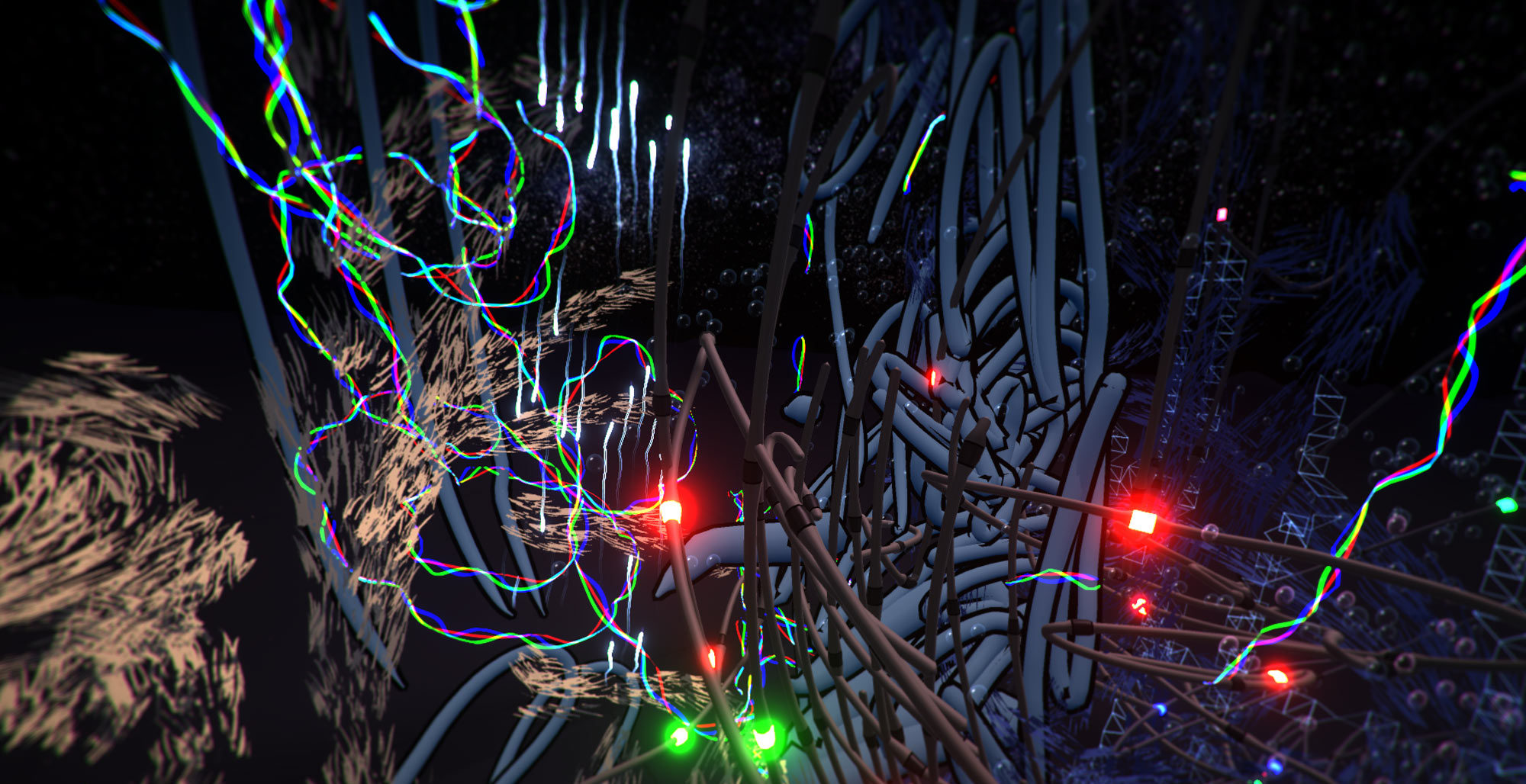
AI generated illustration of the intersection between AI and the arts

AI Meets Art: A Complex Collaboration

Integrating AI into artistic practices is a fascinating development, but it’s not without challenges.

Artists are concerned about AI’s ability to replicate and potentially dilute their unique styles.

In this new digital landscape, the role of curators is also evolving. Traditional expertise in art history and aesthetics now intersects with the algorithm-driven selections of AI, leading to a redefinition of art curation.

For writers, AI presents a paradox. On one hand, it’s a tool that offers new ways to overcome creative blocks and streamline the writing process. On the other, it brings anxiety about the future of storytelling. There’s a fear that AI-generated narratives may need more emotional depth and authenticity than human-written stories.

Actors face a unique challenge against AI technology capable of replicating their physical likenesses and voices, raising critical questions about job security and ownership of one’s digital identity. The heart of the issue is the authenticity of human performance – an element that AI cannot replicate.

Copyrights and AI: The Legal Landscape

The legal world is also grappling with the implications of AI in the creative domain. Recent rulings that AI cannot hold copyrights highlight the need for a clear legal framework to protect human artists’ intellectual property in the face of AI replication and appropriation.

The Future of Human Artistry

Despite these challenges, there is a growing consensus that the value of human-created art will likely increase in an AI-dominated landscape. The emotional depth, soul, and intangible “chi” energy that artists like da Vinci or van Gogh imbued in their work are elements AI cannot replicate. With all its imperfections and emotional depth, the human touch remains the core of true creativity.

As we continue to explore the possibilities of AI in art, the balance between embracing technological advancement and preserving the unique spirit of human creativity becomes more crucial.

The future of art may well be a harmonious blend of AI and human ingenuity, where the soul of creativity continues to thrive in its most authentic form.

Learn more about the intersection of AI and creativity at O1.AI.

Securing the Artist’s Legacy in the Digital Age: The Promise of Blockchain Technology

The digital age has opened up a new era of creation and dissemination for artists, but getting fair compensation and protecting works from forgery has become even more difficult. Blockchain technology is emerging as a promising solution, offering a secure and transparent platform for artists to manage their intellectual property and ensure they receive proper credit and royalties for their creations.

AI Illustration of Crypto, Blockchain, Web3, and Art

Blockchain’s Benefits for Artists

Royalty Distribution: Blockchain enables the creation of self-executing smart contracts that automatically distribute royalties to artists whenever their work is sold or resold [1], eliminating the middleman and guaranteeing artists receive their fair share of the profits.

Protection Against Forgery: Blockchain provides an immutable and verifiable record of ownership and authenticity for digital artwork [2], helping to combat forgery and protect artists’ intellectual property rights.

Enhanced Artistic Integrity: Artists can use blockchain to embed additional information within their digital creations, such as their biography, artistic statement, or even a message to the owner [3], providing a direct channel for artists to connect with their audience and ensuring their artistic intent is preserved.

AI-powered Tools: Emerging AI-powered tools can be integrated with blockchain platforms, enabling artists to create new forms of interactive and dynamic art experiences [4] and opening up exciting possibilities for artistic expression and audience engagement.

The Potential of Blockchain for the Art World

While the adoption of blockchain technology in the art world is still in its early stages, it holds immense potential to revolutionize the industry. By creating a secure and transparent ecosystem, blockchain can empower artists, protect their rights, and foster a more sustainable and equitable art market.

Addressing Concerns and Challenges

Blockchain technology faces challenges alongside the potential benefits. Concerns regarding energy consumption, legal uncertainties surrounding digital ownership, and the need for user education must be addressed [5]. Nevertheless, ongoing research and development efforts are working to mitigate these challenges and ensure responsible and ethical implementation of blockchain technology in the art world.

The Future of Art and Blockchain

As technology matures and adoption increases, we expect to see even more innovative blockchain applications in art. From fractional ownership models to decentralized art marketplaces, the possibilities are limitless. This exciting future promises a more empowered and thriving art ecosystem where artists can create, connect, and share their work with the world in new and dynamic ways.

Call to Action

While the potential of blockchain technology is vast, its success will ultimately depend on collaboration across the art community. Artists, galleries, collectors, and technology developers must work together to explore the possibilities and develop best practices for integrating blockchain into the art world. This collaborative effort can ensure that blockchain truly empowers artists and creates a brighter future for the industry.

Further Exploration

For further information on the use of blockchain technology in the art world, please visit the following resources:

[1] "Artists Have Been Attempting to Secure Royalties on Their Work for More Than a Century. Blockchain Finally Offers Them a Breakthrough" https://news.artnet.com/news/artists-blockchain-resale-royalties-1956903
[2] "How NFT Royalties Work – and Sometimes Don't" https://blockworks.co/news/nft-royalties-sometimes-they-work-sometimes-they-dont
[3] "Navigating the New Artistic Landscape: The Rise of AI and the Soul of Creativity" https://o1.ai/art/navigating-the-new-artistic-landscape-the-rise-of-ai-and-the-soul-of-creativity

For more information on how blockchain technology is revolutionizing the art industry, please visit: "O1.AI" https://O1.AI

Limitless has created a way for artists to create computer animations while inside a virtual reality world.

“…We looked at a lot of the existing tools for 3D creation, such as CAD, and thought that a lot of them make it hard for people who are more visually and spatially inclined to use because they’re so reliant on math…”

According to Gravity Sketch, the future of design is virtual reality – and they’ve got new software to convince you of exactly that. Here’s how it works and how you can get your hands on it… more at Digital Trends

Limitless lets artists create character animations within virtual reality

VentureBeat

“…We just need to remove the barrier formed by our software, so we can all create stories using the inspiration that we already have inside of us…”

Limitless has created a way for artists to create computer animations while inside a virtual reality world. The company has developed a tool that allows someone to use an HTC Vive VR headset and its hand controls to spell out exactly what will happen as the animation unfolds in real time. The tool could save tons of hours for animators in creating both prototypes and final animations in VR, said Tom Sanocki, CEO of Bellevue, Wash.-based Limitless, in an interview with GamesBeat. … Read the full story

Tilt Brush as an immersive, addictive art-making experience

“…Usually, art is a single-person activity, but given the three-dimensional nature of Tilt Brush creations, the “multiplayer” mode is not only practical, but could also be a first step toward gamifying the art creation experience…”

Google’s Tilt Brush, the app that lets you “sculpt” paintings in virtual reality, is getting a new set of features that move the VR tool far beyond the realm of interactive art. … more at Mashable

Google shows off Tilt Brush VR painting

“…It’s amazing how collaborating in the same space makes the virtual feel real. We think you’ll love this one, so we’re exploring ways to develop this concept further…”

Google today is unveiling new prototypes it has developed for Tilt Brush, a 3D painting app that’s available for the HTC Vive virtual reality headset. It’s a lot of fun to use the app on your own. But if a video preview is any indication, Tilt Brush will get really cool when you can use it with someone else. “It’s amazing how collaborating in the same space makes the virtual feel real. We think you’ll love this one, so we’re exploring ways to develop this concept further,” Google Tilt Brush Drew … more at VentureBeat